◆ Community Hub
Community Quotes & Punchlines
The most iconic bars, lyric quote cards, and dialect gems from across the Arab world — curated, upvoted, and annotated by music fans.
Sort:

Takriz
G.G.A
“
سلفية بسلاح الشعب بحديد
Context / Meaning
This line critiques post-revolution security dynamics in Tunisia, contrasting the rise of armed religious extremists with police state repression of everyday citizens.

ABDA BILL
KTYB
“
ابدى بلّ حك يديك ستنّى الرغوة
Context / Meaning
This line ties directly into the song title 'ABDA BILL' (start wetting), using the simple step of washing your hands as a metaphor for putting in the work and taking action.

أنا الماضي
Aveyro Ave
“
Ken tnajjem el wa9ra temliha b sketek ch3andek tnayek b stylou
Context / Meaning
This line uses raw Tunisian street slang ('tnayek', to mess around pointlessly) to deliver a sharp punchline about writers who lack authentic things to say.

Yfarej Rabi
Artmasta
“
كلاو عشاك ومخلاو معاهم باي باي
Context / Meaning
'Baye' is Tunisian dialect for 'a share' or 'portion', which the artist cleverly pairs with the English phrase 'bye bye' to highlight betrayal by ungrateful companions.

NAKIRA
MOUKA
“
سلعة بنينة من مروكي
Context / Meaning
In North African street slang, 'sel'a' (merchandise) typically references high-grade Moroccan hashish, symbolizing top-tier quality and street credibility.

يحبّوني ندوان
KLAY BBJ
“
كيما قال المصري إنتوما ناس مالكمشي عازة
Context / Meaning
Klay borrows the iconic Egyptian phrase 'malkomsh 'aza' (you have no worth or utility) to belittle his rivals. Borrowing Egyptian slang is a classic rhetorical flex in Maghrebi rap punchlines.

Eb7ath 3ani
KTYB
“
سامحني اما الضعف يحكي ، فماش ما نقصرو في الثنيه
Context / Meaning
The expression "نقصرو في الثنية" literally means to shorten the road, but culturally implies resolving conflict quickly to bring people closer before resentment sets in.

Piano
A.L.A
“
حنا نديتورنو الصافي كبرنا على البراكاج
Context / Meaning
Combining French loanwords common in Maghrebi rap like "détourner" (divert/hijack) and "braquage" (mugging), he flexes that his crew has graduated from petty street crime to major hustles.

Layam
Samara
“
وعرفت الخرشي إلي حبني ناكل صبة
Context / Meaning
In Tunisian street slang, 'sabba' refers to police informing or snitching, while 'kharchi' describes a fake, untrustworthy person plotting someone's downfall.
🇲🇦 Darija

“
كلي اخرتي ربطية و الا اختيال
Context / Meaning
"Rabtiya" is Tunisian slang for prison or a jail sentence. The line reflects the bleak outlook of youth in marginalized areas, where the only foreseeable endings are incarceration or assassination.

Fatality
ALTAF
“
مسكرين بابهم بالكوبا يا موكا احكيلهم كيفاش فالحبس هزولك الروبا دردعولك لامبوبا دارت بيك الذيوبا وعملولك العيوبا خلعولك الكوبا وعملوهم الكل
Context / Meaning
This line is loaded with Tunisian prison slang, referencing 'موكا' (a weak, submissive inmate) and 'دردعولك لامبوبا' (smashing the lightbulb), a well-known prison euphemism for assault carried out in the dark.

B3IDA
KASO
“
Jrina aala hajet w harkna hajet
Context / Meaning
The word 'harkna' (we burned) carries a deep double meaning in Tunisian dialect, often referencing 'Harka' (illegal migration across the sea) as a symbol of desperate pursuits.

Matwasini / متوصيني
Sanfara
“
وينو لي منفوخ طبس نسدعاك في ربوخ
Context / Meaning
A 'Raboukh' (ربوخ) is a lively traditional Tunisian street party with heavy percussion; Sanfara uses it metaphorically as a threat to bring chaotic trouble to arrogant rivals.

HVD
A.L.A
“
نشوف في خيالك حتى في كسان الوسكي
Context / Meaning
A.L.A portrays the haunting nature of heartbreak, showing how memories of his love invade even his attempts to drown his feelings.

Ma3lich
Samara
“
يا يا ياه، الاسمر ديما لاباس
Context / Meaning
'El Asmar' is Samara's self-referential nickname celebrating his identity, paired with 'dima labas,' a ubiquitous North African phrase of resilience meaning 'always okay'.
Yfarej Rabi
Artmasta
“
توحشنا الفرحة لولات صعيبة
Context / Meaning
'Twahasna' is the quintessential Maghrebi verb for 'we missed' or 'we long for', capturing deep nostalgia for simpler, happier times.

MENGHIR SBAB
KASO
“
علاش كي نضم حياتي نلقاق في حياتي من غير سبب
Context / Meaning
In Tunisian Derja, 'نضم' (to tidy or organize) captures the struggle of rebuilding personal order and inner peace, only for an ex-partner to unceremoniously reappear without any valid cause.
يحبّوني ندوان
KLAY BBJ
“
تقارن روحك بينا مهبول ، احنا صوت الزوالي المقهور
Context / Meaning
The term 'Zawali' is a central social concept in Tunisia referring to the underprivileged working class. Klay cements his rap identity as an authentic champion of marginalized street youth.

بياسات الحي
JUNIOR HASSEN
“
سمعت شكون ينادي بإسمي دخلت نعفس بالTN
Context / Meaning
The Nike Air Max Plus (TN) is an iconic sneaker deeply rooted in French and North African working-class subcultures and rap aesthetics. 'نعفس' means to step down with heavy confidence.

مضيق
El Castro
“
قَرِّبا مَربَطَ النَعامَةِ مِنّي
Context / Meaning
This quotes the legendary pre-Islamic knight Al-Harith ibn Ubad during the Basus War, signaling a battle-ready declaration that patience has run out.
♪
أيلان
Redstar Radi
“
صلّي اقضي الشون لنّا الطحنة كان مازالت الرشوة ما تاخو بالرجلة كي تبداش سوبرمان
Context / Meaning
The line contrasts Tunisian street slang 'ṭaḥna' (selling out/spineless corruption) with 'rejla' (the traditional code of street honor), arguing that systemic corruption neutralizes nobility.
🇹🇳 Derja
“
في تونس الدنيا عنا تمشي بالمقلوب
Context / Meaning
This line highlights a common Tunisian saying, "running upside down" (temshi bel-maqloub), criticizing the systemic corruption and lack of meritocracy where societal rules and logic seem completely reversed.

MONGUELA
4lfa
“
بلاد كلتها الندوى
Context / Meaning
"الندوة" (literally dew or dampness) is used here as a metaphor for decay and stagnation, illustrating how the youth feel their country is rotting away due to economic and social crises.
B3IDA
KASO
“
Baarcha omnyet lin dlou3i hyet Baarcha ahasis lin hyeti hlet
Context / Meaning
This line showcases 'Baarcha', the signature Tunisian word for 'a lot', beautifully describing how overwhelming wishes and feelings brought the artist's ribs back to life.

Kolo Meni
A.L.A
“
ماو في بلاد كي النمي نقد وجهلو فني
Context / Meaning
This line utilizes the strong Tunisian slang 'النمي' (a vulgar term for something worthless or terrible) to express frustration with the country's system and the dismissal of his art.
Matwasini / متوصيني
Sanfara
“
خليني راكش فالورشة
Context / Meaning
'راكش' (rakesh) is essential Tunisian street slang meaning to chill out or keep a low profile, while the 'workshop' refers to his studio grind away from street drama.

Het Nfess
4BDOU
“
Nfas yjib nfas lin nfas ylem jrouhi
Context / Meaning
Playing off the track title 'Het Nfess' (Take a Breath), this opening line uses the rhythmic repetition of 'nfas' (breath) to describe taking things one moment at a time to heal heartbreak.
Ma3lich
Samara
“
يفهمني الي يكمي الحشيش و الي يسربي في الزباين
Context / Meaning
Samara expresses solidarity with marginalized youth in the neighborhood using street terms like 'yikmi' (to smoke) and 'yiserbi' (to serve or deal to clients).
أنا الماضي
Aveyro Ave
“
Yechkel bel farcha fil mochkel min ghir matechkilou
Context / Meaning
Combines the Tunisian slang expression 'bel farcha' (bluntly/out in the open) with clever wordplay between 'yechkel' (spelling out/diacritics) and 'techkilou' (complaining to someone).
MENGHIR SBAB
KASO
“
الف سبب لقيتو بش نكره مالقبت حتى سبب بش نحبك
Context / Meaning
This line delivers a striking emotional contrast using the dialect phrase 'مالقيت حتى' (I didn't find even one) to highlight how overwhelming toxicity erased any remaining affection.
NAKIRA
MOUKA
“
تحت الماء ندور فسومارا
Context / Meaning
Using the Tunisian slang word 'soumara' (submarine), Mouka describes staying low-key and moving silently under the radar while pursuing his hustle.
بياسات الحي
JUNIOR HASSEN
“
عس على تقربيع سنيك وطن يقمع لي يحكي الحق
Context / Meaning
'عس' is classic Maghrebi street slang for watching out or staying alert. 'تقربيع سنيك' (teeth chattering) vividly captures the physical onset of fear caused by state surveillance and political censorship.

Ma3lebeli
Samara
“
ربي ليعلم ماعلبالي بالي يوووو
Context / Meaning
The phrase 'ma 'albali' is iconic Maghrebi dialect slang meaning 'I don't care' or 'it's not on my mind,' expressing ultimate indifference to street drama and fake friends.
♪
أيلان
Redstar Radi
“
ڤدمة هنية توكل مية ما تسدش رمق مادام البطون جيعانة الأفواه ديما محلولة ماهيش حكاية شهاوي طمع و لا حكاية دمق حتى القطوسة على ولادها كي تجوع تولي غولة
Context / Meaning
Radi flips traditional North African folk proverbs about sharing food, using vivid imagery of a starving mother cat turning into an ogre ('ġūla') to show how extreme poverty destroys humanity.
Layam
Samara
“
نعاون في عباد قلبي أبيض لا مافيوزي
Context / Meaning
Samara contrasts his tough hood persona with his reputation for quiet local philanthropy, maintaining that his heart remains 'white' (pure) despite his harsh environment.
MONGUELA
4lfa
“
نايضة نايضة اميڤو هاذ الليلة
Context / Meaning
"Nayda" (نايضة) is a popular Maghrebi slang term meaning "it's lit" or "things are kicking off," used to describe a lively, chaotic, or intense atmosphere.

FREESTYLE
LAYA
“
Bitba3bis m3aya bliss real shit moch show biz 3al loura9 entreprise je maîtrise et neutralise
Context / Meaning
"Bitba3bis" is a gritty Tunisian slang term for provocation or troublemaking, while "bliss" refers to Iblis (Satan). The artist boasts that even the devil is playing along with their schemes, emphasizing their raw, rebellious street persona.
Kolo Meni
A.L.A
“
بلاد القلب البارد كيما المخ الشارد برشا طحين وبرشا تنوفيق
Context / Meaning
Here, 'طحين' (literally meaning flour) is used in its Tunisian slang context to mean bootlicking or sycophancy, criticizing widespread social opportunism.
Het Nfess
4BDOU
“
Kontlek kima lbarça wenti kontli ki neymar
Context / Meaning
4BDOU references Neymar's unexpected 2017 departure from FC Barcelona to PSG as a metaphor for unexpected betrayal and abandonment after giving his partner everything.
HVD
A.L.A
“
انت الوردة نعدي عمري فها نسقي
Context / Meaning
A tender poetic metaphor contrasting with the rough hip-hop delivery, symbolizing unconditional long-term devotion and care.
Filfel Msayell
KTYB
“
التّيو مزدود passe pas ضمارك
Context / Meaning
In Tunisian Derja, 'التّيو مزدود' (a clogged hose) is a street metaphor used when someone's dull sense of humor ('ضمارك') fails to connect or pass through.
♪
Ezbet El Haggana Feen?
Tul8te
“
وبتنتش إيدك الأيام
Context / Meaning
The Egyptian slang verb 'تنتش' (tentesh) means to snatch or yank violently. It personifies passing days as a street thief aggressively pulling companionship and control out of your grasp.
NAKIRA
MOUKA
“
أنا الغالط كلها جرايري
Context / Meaning
'Jrayri' is a quintessential Tunisian Derja expression meaning 'because of me', showing self-awareness and taking full ownership of his path and choices.

El 3assma
TATI G13
“
قلل الكيف وعوضها شكاير سيمان
Context / Meaning
In Tunisian street slang, 'l-kef' refers to hashish or easy leisure. TATI G13 advises replacing idle vices with hard manual labor ('bags of cement') to build a real future.
Ma3lebeli
Samara
“
اي سامحيني يامي كلام و محنة و زيد وجايع
Context / Meaning
Apologizing to one's mother ('yami') is a deeply emotional staple in North African rap, balancing street tough talk with guilt over the burden placed on family.
مضيق
El Castro
“
قداش من لاعب مهضم فمو في لسانو لويناه
Context / Meaning
El Castro uses the Tunisian slang term 'مّهضم' (digestible/cool) sarcastically to flex how easily he humbles arrogant rivals in the rap scene.
FLOUSNA
ZDEFF
“
l brima fl chabeb a9sa toumou7atou mazda
Context / Meaning
This highlights the limited economic mobility in Tunisia, where simply owning a basic car is viewed as peak success for young people due to inflation and lack of opportunity.
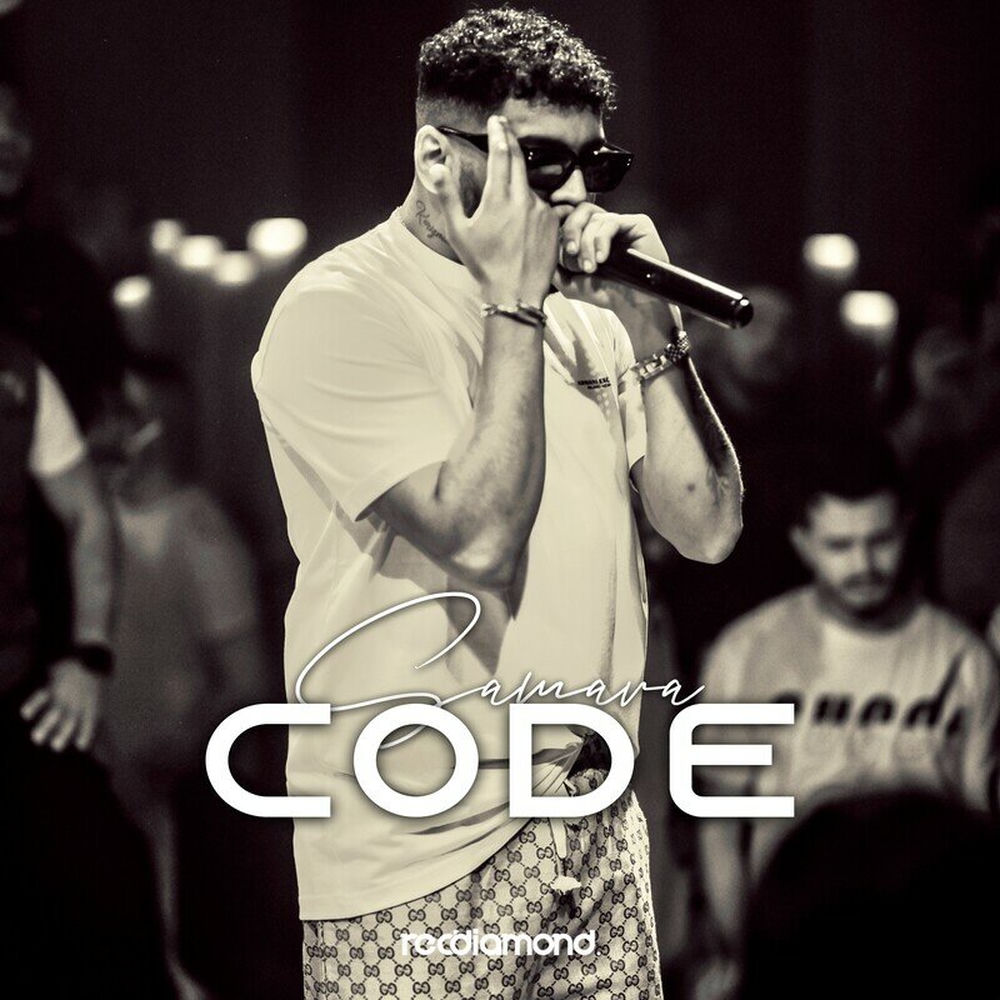
Code
Samara
“
كبرنا بالحجر مع السي أن والباراسين
Context / Meaning
'CN' (Subutex) and 'Parasin' refer to pharmaceutical pills commonly abused on the streets, depicting the grim realities of economic hardship in Tunisian quarters.
FREESTYLE
LAYA
“
5mijt 5amja bi javel m3ach tinthf
Context / Meaning
"5mijt" (khmjet) means to rot or become extremely filthy, while "javel" is the French-derived Tunisian word for bleach. This metaphor describes a situation or reputation so deeply corrupted that even bleach cannot clean it.

Cheda W Tzoul
Mortadha Ftiti
“
نطيح نعلّي
Context / Meaning
Using the Tunisian verbs 'ntih' (I fall) and 'n'alli' (I rise or elevate), this line poetically expresses the determination to bounce back even higher after every setback.

Freestyle#1
Dhalma
“
Noghzor taswert lghali w n9ol ya 7asra
Context / Meaning
'Ya 7asra' is a deeply emotional North African expression used to convey nostalgic sorrow, regret, or longing for past times and departed loved ones.
HVD
A.L.A
“
Shawty فاض الكاس وانا اللتو لوفيت
Context / Meaning
Seamlessly blends Western hip-hop slang with the classic Arabic metaphor 'fad el kas' (the glass overflowed), conveying emotional overload and intense distress.
ABDA BILL
KTYB
“
اه، عندي عروق من شط الجريد عندي عروق مالكاف
Context / Meaning
KTYB asserts his deep regional heritage by referencing Chott El Jerid, a famous salt lake in southern Tunisia, alongside El Kef, a historic city in the northwest.
♪
Ezbet El Haggana Feen?
Tul8te
“
وننسى إللي فات حتى لو ما وصلناش
Context / Meaning
This line uses the traditional Egyptian dialect negative construction with the suffix '-ش' in 'ما وصلناش' (we didn't arrive), expressing a bittersweet acceptance of life's journey regardless of reaching the destination.
MENGHIR SBAB
KASO
“
تحلم بش ترجع تراني و قت اللي نهاري ازين من نهارنا
Context / Meaning
KASO uses a clever wordplay on 'نهار' (day), contrasting his thriving solo present ('نهاري') with their shared past ('نهارنا') to dismiss an ex seeking reconciliation after his success.
El 3assma
TATI G13
“
ضربت بالرغم اللي منيش من العاصمة
Context / Meaning
Referring to Tunis ('El 3assma'), the artist highlights his rise as an underdog hailing from Tunisia's neglected interior regions, overcoming regional gatekeeping in the rap industry.

Sometimes
Dhalma
“
I got more than pain check my name
Context / Meaning
Dhalma plays on his stage name—which stems from the Arabic root for darkness and injustice—pointing out that his life experiences run deeper than just surface-level pain.
مضيق
El Castro
“
وين يجي نحطو درابونا و اهلا بيكم في دولتنا
Context / Meaning
A bold declaration of hip-hop dominance, claiming that any domain he enters instantly becomes his sovereign territory.
Piano
A.L.A
“
كحلة و بيضة كالبيانو حياتي كيما الميلودى يااه يااه
Context / Meaning
A.L.A uses the contrasting black and white keys of a piano as a metaphor for the ups and downs of his life, framing his street struggles and artistic journey as a single melody.
Code
Samara
“
موش الأمور ستة زيت
Context / Meaning
The famous Tunisian idiom 'el omour setta zit' (literally 'things are six oil') means everything is running smoothly like a well-oiled machine; Samara negates it to highlight life's grit.